Water Storage & Filtration: What You Actually Need (No Guesswork)
If your water plan is “I’ll figure it out when it happens,” you don’t have a plan—you have a liability. Water is the first system that fails in a crisis and the fastest to become dangerous. This guide cuts through the noise and gives you a simple, scalable system for water storage and filtration—so you’re covered without wasting money or time.
EMERGENCY PLANNINGNATURAL DISASTER CRISISSHTF CRISISREGIONAL WAR CRISIS
DeVault Prepping
4/7/20264 min read
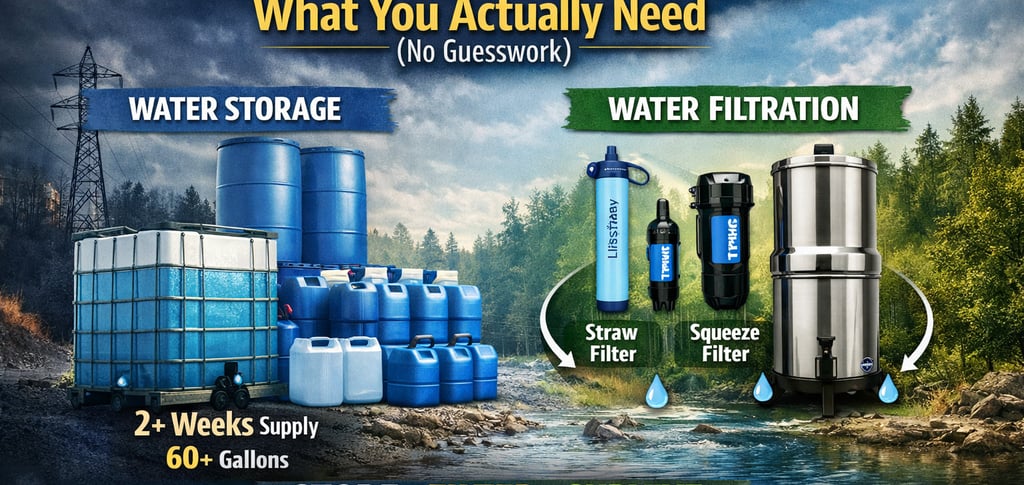
Water Storage & Filtration: What You Actually Need (No Guesswork)
Throughout this blog, you’ll find links to recommended products we trust. If you purchase through these links, we may earn a commission at no extra cost to you. Your support helps us continue creating practical, no-fluff prepping content.
If your water plan is “I’ll figure it out when it happens,” you don’t have a plan—you have a liability.
Water is the first system that fails in a crisis and the fastest to become dangerous. This guide cuts through the noise and gives you a simple, scalable system for water storage and filtration—so you’re covered without wasting money or time.
🔎 The Reality Check (Why This Matters)
You can survive weeks without food
You can survive ~3 days without water
Most municipal water systems fail within hours to days during outages or disasters
Translation: Water isn’t optional, it’s priority #1.
💧 Step 1: How Much Water You Actually Need
The Rule (Minimum Baseline)
1 gallon per person per day
0.5 gallon = drinking
0.5 gallon = hygiene/basic needs
Smart Prepper Upgrade
2 gallons per person per day (recommended for comfort + margin)
Storage Targets
3 Days (Bare Minimum): 3–6 gallons per person
2 Weeks (Realistic Goal): 14–28 gallons per person
30+ Days (Prepared): 60+ gallons per person
👉 If you do nothing else, hit 2 weeks. That’s the sweet spot.
🧱 Step 2: Water Storage That Actually Works
Small-Scale (Quick Setup)
Best for: Apartments, beginners, fast setup
Options:
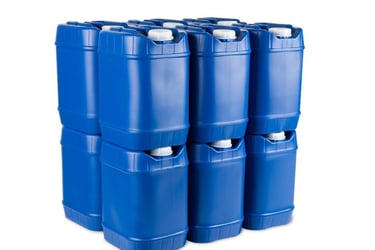
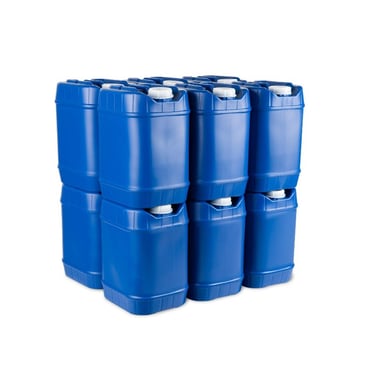
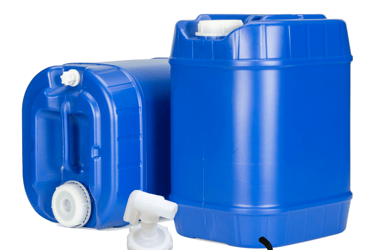
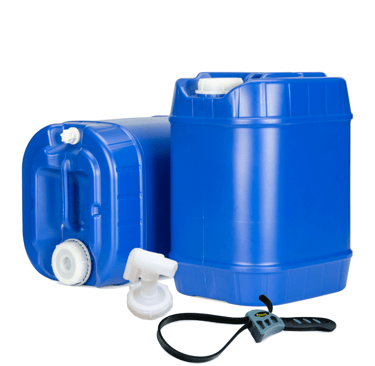
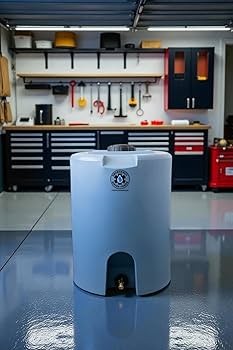
3–7-gallon stackable containers - 👉 Check price here: https://amzn.to/4sTi009
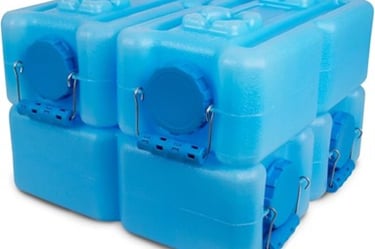
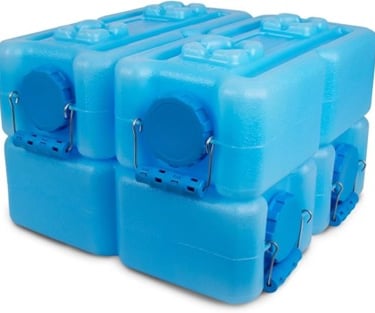
Water bricks (modular + space-efficient) - 👉 Check price here: https://amzn.to/3O4WlmM
Collapsible containers (backup only) - 👉 Check price here: https://amzn.to/4sYHrgQ
Pro Tip: Avoid milk jugs, they degrade and leak.
Mid-Scale (Home Ready)
Best for: Families, garages, long-term planning
Options:
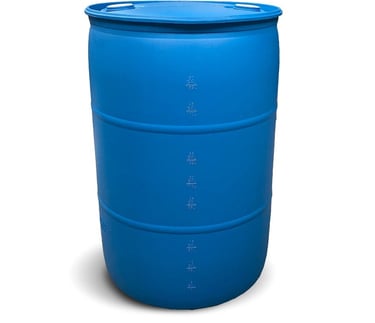
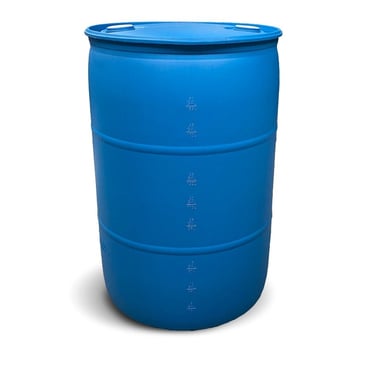
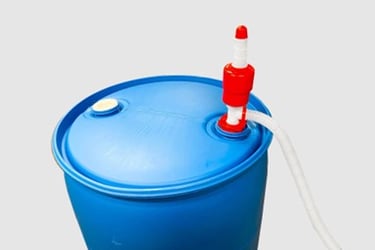
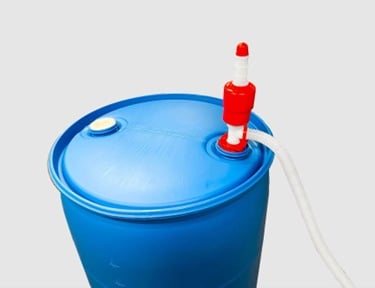
55-gallon food-grade barrels - 👉 Check price here: https://amzn.to/4t5ntBq
Barrel pump or siphon system - 👉 Check price here: https://amzn.to/4e8Ep52
Rule: Treat water + rotate every 6–12 months.
Large-Scale (Serious Preparedness)
Best for: Long-term / grid-down scenarios
Options:
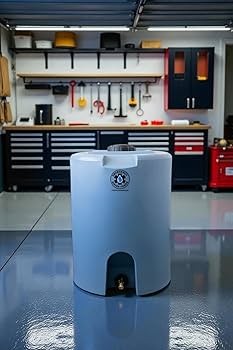
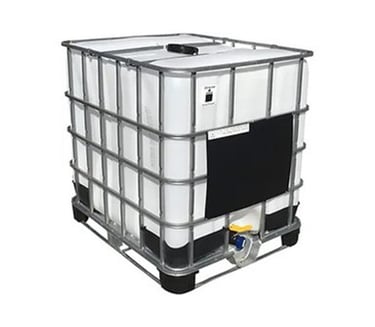
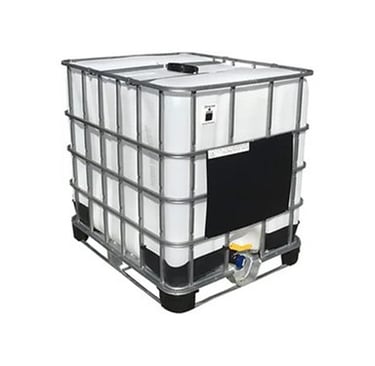
IBC totes (275–330 gallons) - 👉 Check price here: https://amzn.to/4tx2nvp
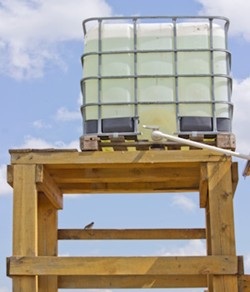
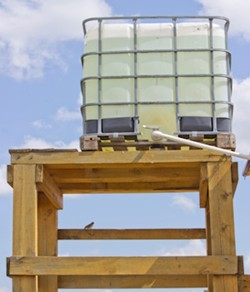
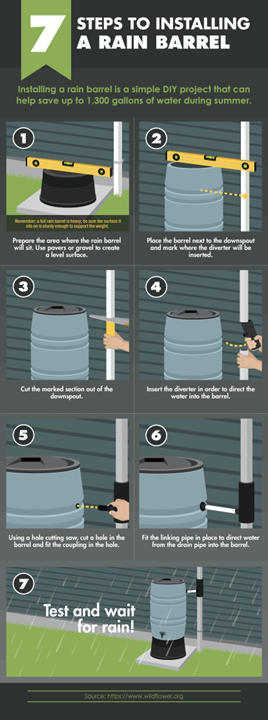
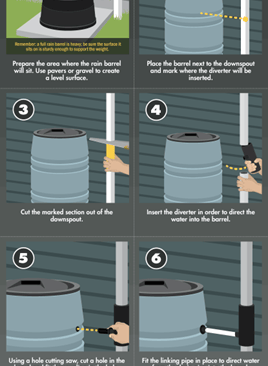
Rainwater collection systems - 👉 Check price here: https://amzn.to/4ea15lr
Note: Always filter + treat before drinking.
🧪 Step 3: Water Filtration (Where Most People Fail)
Storage runs out. Filtration keeps you alive.
3 Types You Should Understand
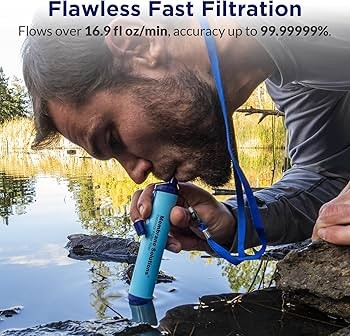
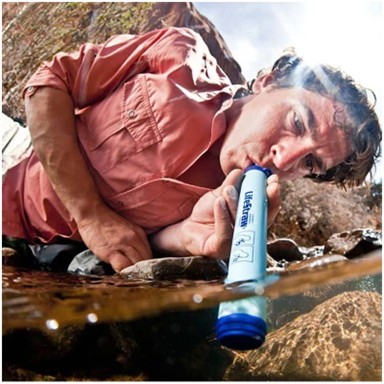
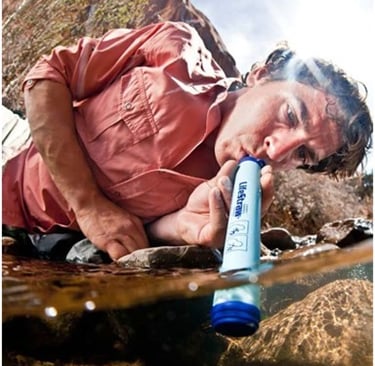
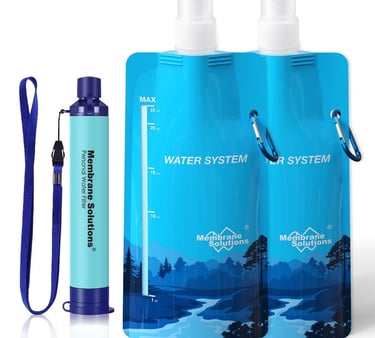
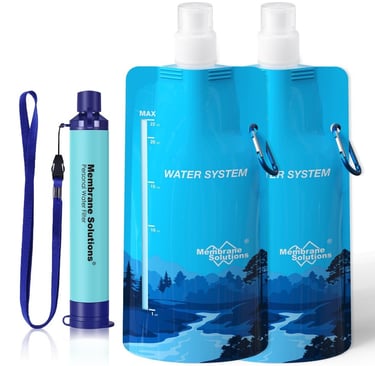
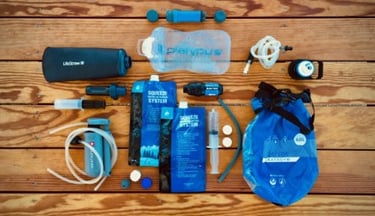
1. Straw Filters (Last-Ditch Survival)
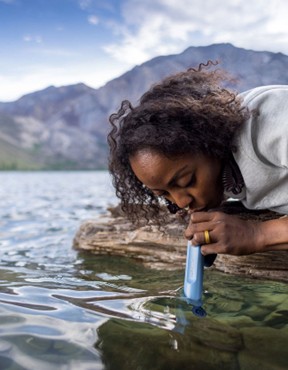
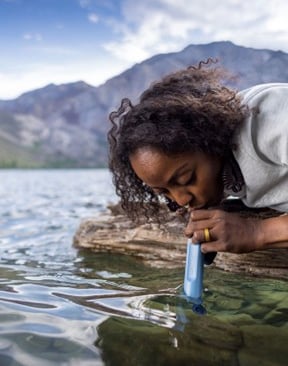
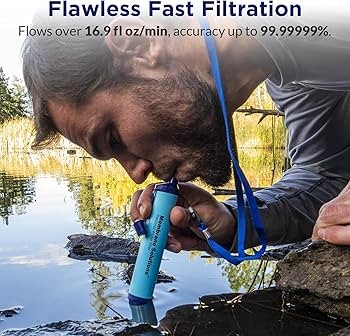
Example: LifeStraw Personal Water Filter - 👉 Check price here: https://amzn.to/47O5QgR
Pros:
Cheap
Lightweight
Works immediately
Cons:
No storage capability
Not practical for families
Use Case: Bug-out bag backup only
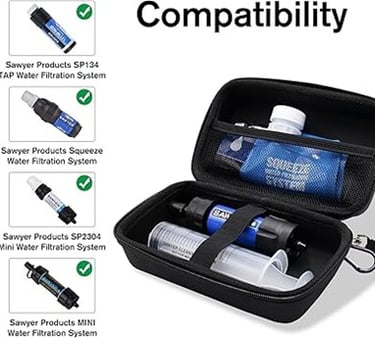
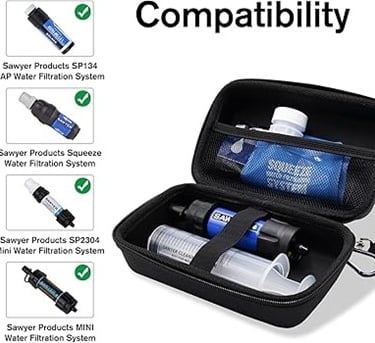
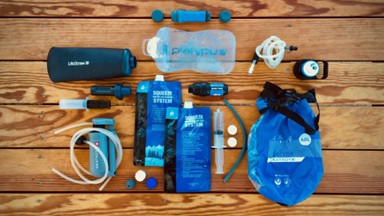
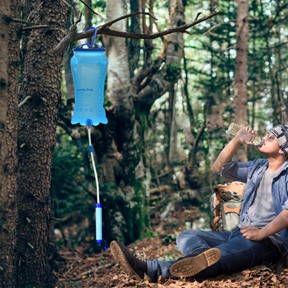
2. Squeeze / Pump Filters (Best All-Around)
Example: Sawyer Mini Water Filtration System - 👉 Check price here: https://amzn.to/4c6A0x2
Pros:
High filtration capacity
Lightweight + versatile
Can attach bottles or gravity systems
Cons:
Slower than gravity systems
Use Case: Primary system for most people
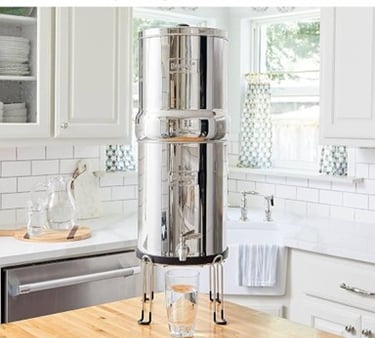
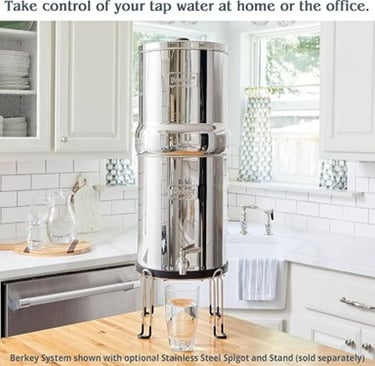
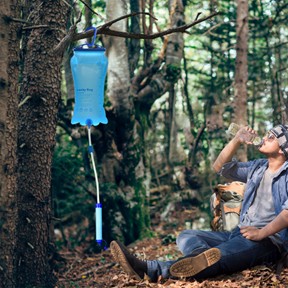
3. Gravity Systems (Home Base Solution)
Examples:
Big Berkey Gravity-Fed Water Filter - https://amzn.to/4sEiLcR
Berkey-style alternatives (often more affordable) - https://amzn.to/47PTKUh
Pros:
Filters large volumes
No pumping required
Ideal for families
Cons:
Higher upfront cost
Use Case: Home base / long-term setup
⚠️ Step 4: What Most People Get Wrong
❌ “I’ll just boil water” → Requires fuel + time + doesn’t remove all contaminants
❌ “I have bottled water” → Runs out fast
❌ “One filter is enough” → Systems fail, redundancy matters
❌ “Rainwater is safe” → It’s not—always filter
🧠 Step 5: The No-Guesswork System (Copy This)
Tier 1 (Minimum Viable Prep)
14 days of stored water
1 squeeze filter per person
1 backup straw filter
Tier 2 (Smart & Scalable)
30+ days stored water (barrels)
Gravity filter system
Rainwater collection backup
Tier 3 (Resilient System)
60+ days water storage
Multiple filtration types (redundancy)
Off-grid collection + purification plan
💰 Recommended Gear (Tested & Practical)
LifeStraw Personal Water Filter – cheap backup option
Sawyer Mini Water Filtration System – best all-around system
Big Berkey Gravity-Fed Water Filter – home solution
👉 Build your full setup here:
https://shop.devaultcyberplus.com/prepping_products/
We receive commissions when you use the link above and it helps support our channel. Thanks so much for your help.
🔚 Final Thought
Water prep isn’t about gear—it’s about systems.
If your plan doesn’t answer:
How do I store it?
How do I replace it?
How do I make unsafe water safe?
Then it’s incomplete.
Fix that now—before you need it.
Semper Paratus (Always Ready)
Preparedness
Empowering you to face any emergency situation.
Survival
Resources
© 2025. All rights reserved.